When winter grips the high valleys of Lahaul and Spiti and the passes are deep in snow, the Buddhist communities across the mountains from Naggar mark their most important festival of the year — Losar, the Tibetan New Year. It's a celebration of light, renewal and blessing, and one of the most atmospheric cultural events in all of Himachal.
What Losar is
The name comes from the Tibetan lo (year) and sar (new). Losar follows the Tibetan lunar calendar, so the date shifts each year — usually falling in late January or February. In 2026 it begins on 18 February, with the main festivities running over about three days and echoes of celebration continuing for up to a fortnight. Its roots reach back before Buddhism, to the old Bon tradition of making offerings to appease the spirits and ensure a good harvest; over centuries it merged with Buddhist practice into the festival seen today.
How it's celebrated
Preparations begin weeks ahead. Families clean their homes from top to bottom, light butter lamps, and cook special food. On Gutor night, just before the new year, households share guthuk — a hearty noodle soup with symbolic tokens hidden in the dumplings; the item you find (a chilli, a pinch of wool, a scrap of paper) is a playful comment on your character. Kapse, deep-fried pastries twisted into knots and flowers, are piled high, and butter tea and barley beer (chang) are shared with every visitor.
At the monasteries, monks chant through the night and perform the Cham — a masked ritual dance in which lamas embody deities and spirits, acting out the triumph of good over evil as the old year turns. Gompas such as Kardang and Shashur in Lahaul, and Key, Tabo and Dhankar in Spiti, become the glowing hearts of the celebration.
Experiencing it from Naggar
Losar falls in the depths of winter, when the direct high roads into Spiti are snowbound. The Lahaul side, reachable through the Atal Tunnel beyond Manali, is the more accessible option from the Kullu Valley — though weather and road conditions must always be checked, and any trip planned with care and warm clothing. Even in Naggar and around Manali you'll find Tibetan and Buddhist communities marking the day in smaller monasteries and homes.
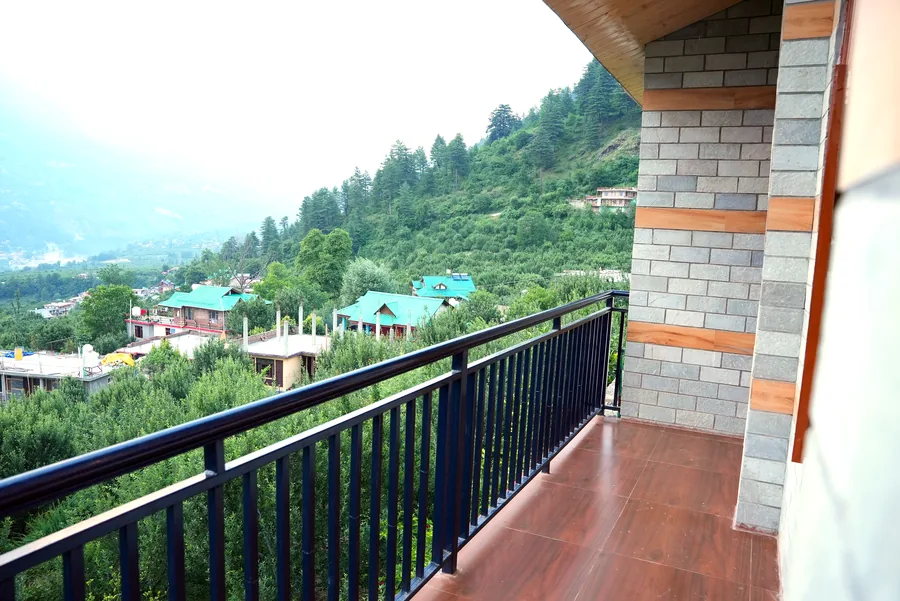
If you'd like to spend the festival season in the hills, Ghar in the Hills is a warm homestay in Naggar village — a snug base to come back to after a day among prayer flags and butter lamps, with a hot meal and a heater waiting.
A few tips
- Confirm the exact dates each year, as they follow the lunar calendar.
- Dress for serious cold — Lahaul and Spiti are bitter in February.
- Ask permission before photographing rituals or people, and follow monastery etiquette.
- Travel with a local driver who knows winter road conditions.
Losar is a rare chance to witness a living Himalayan tradition at its most vivid — fire, feasting and blessing against a backdrop of snow. Plan your winter trip around it, base yourself warm in the Kullu Valley, and book your Naggar stay to make the most of the season.