Most travellers see Spiti in summer, when the Manali road is open and the valley is a wash of ochre and green. But there is another Spiti — the frozen, silent one that appears once the passes close for winter. From roughly November to March the high desert turns white, the rivers ice over, and the valley becomes one of the best places on earth to search for the snow leopard. It is a serious, cold, unforgettable journey.
Why go in winter
Winter is precisely when the snow leopard comes within reach. Deep snow pushes blue sheep and ibex — and the leopards that hunt them — down to lower slopes around villages like Kibber, where patient watchers with spotting scopes have a real chance of an eye-level sighting. The Kibber Wildlife Sanctuary is the heart of this, and you will likely also see Himalayan ibex, red fox and, if you are very lucky, a Tibetan wolf. Beyond wildlife, frozen waterfalls, whitewashed monasteries against blue skies and utterly empty roads make winter Spiti extraordinary for photographers.
How to reach in winter
This is the crucial part: in winter the Rohtang and Kunzum passes are closed, so you cannot drive in from Manali. The only route is the long way round — Shimla to Rampur, Reckong Peo, Nako, Tabo and finally Kaza, around 420 km from Shimla and best split over two days of driving. Roads are icy and can shut for days after heavy snow, so build in buffer time and never rush the schedule.
Altitude, cold and staying safe
Kaza sits at about 3,650 m and Kibber higher still at around 4,270 m, so acclimatise in stages — a night lower down at Reckong Peo, then Kaza, before heading up. Daytime temperatures hover near freezing and nights can plunge to -20°C or colder. You will need proper layered down clothing, insulated boots, and the patience to spend six to eight hours outdoors in the cold while tracking wildlife. Go with an experienced local guide or tracker; they know the terrain and the animals' movements, and their work supports village conservation.
When to go
January to March is the core snow-leopard season, with sightings improving from mid-February as the mating season begins. It is not a trip for first-time mountain travellers or the unprepared, but for those ready for the cold it is the Himalaya at its most raw and beautiful.
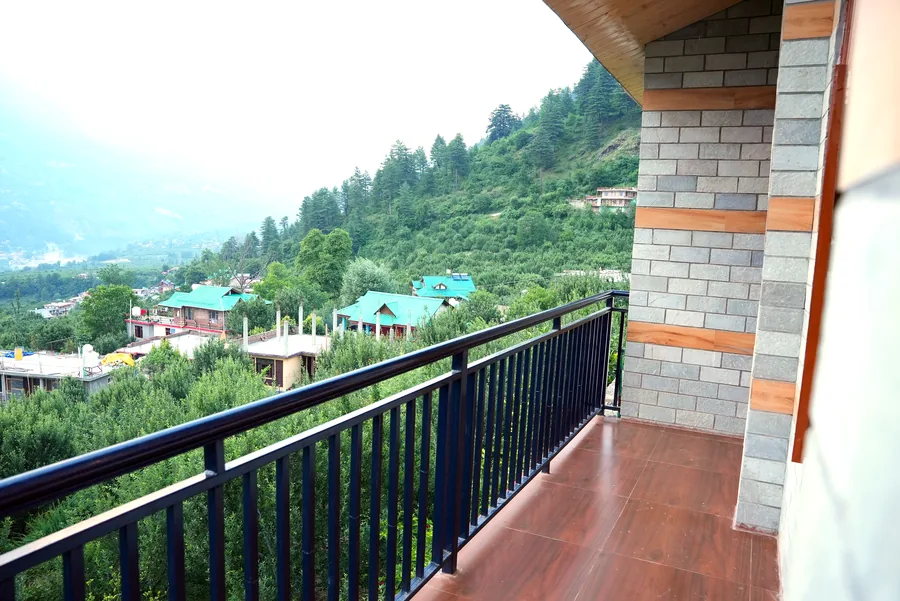
A winter Spiti expedition usually starts and ends in the Kullu-Manali region, and a warm, quiet base to prepare and recover makes a real difference. Ghar in the Hills is a cozy homestay in Naggar — book your stay to acclimatise gently and thaw out with valley views on either side of the journey.
Pack warm, travel slow, and let the valley reveal itself. A single grey shape moving across a white ridge is a memory that lasts a lifetime.