If the Kullu Valley's temples and apple orchards are the gentle side of the mountains, the Great Himalayan National Park is the wild side. Covering around 754 sq km across the watersheds of the Tirthan, Sainj and Jiwa rivers near Banjar, it is one of the best places in Himachal to see unspoilt forest, alpine meadows and rare Himalayan wildlife.
Four ways into the park
- Gushaini (Tirthan Valley): the most popular roadhead, roughly 34 km from Aut. Most day walks and multi-day treks into the Tirthan catchment begin here.
- Neuli (Sainj Valley): about 40 km from Aut, the start of the Sainj trails.
- Siund (Jiwanal Valley): around 30 km from Aut, used for treks that head towards the Parvati side.
- Barshaini: on the north-eastern edge, the start of routes towards Mantalai and the Pin-Parvati Pass.
Permits and rules
Entry is by permit, with a daily fee that has been about Rs 100 for Indian visitors and Rs 400 for foreign nationals. Permits have been issued by the park's wildlife office at Sai Ropa, a few kilometres before Gushaini, and by the Jiwa Nal range office at Larji. The park is open from sunrise to sunset. A local guide and porters are strongly advised for anything beyond a short walk, and local community groups can arrange guides and equipment. Fees and rules change, so confirm with the park office before you travel.
Wildlife you might see
The park shelters Himalayan tahr, ghoral, serow, monal and koklass pheasants, and the elusive western tragopan, known locally as jujurana. Bears are rarely seen, usually only as pugmarks, and snow leopards live in the high country. Early morning walks and a patient guide improve your chances of a sighting.
Treks and best season
- Sainj Valley trail: about 66 km and relatively easier, good for first-timers with a guide.
- Tirthan Valley trail: around 92 km over about eight days, moderate difficulty.
- Jiwa Nal to Parvati Valley: a demanding route of roughly seven days crossing passes above 3,600 m.
- Raktisar: a long route to the Sainj headwaters, known for tragopan sightings.
April to June and September to October usually offer the clearest trails. Monsoon brings slippery paths and leeches, while winter snow closes the higher routes, although wildlife often moves to lower altitudes.
How to reach
The nearest airport is Bhuntar, about 50 km from Gushaini, and the nearest railhead is Chandigarh. By road, head to Aut on the Kullu–Mandi highway and take the link road through Larji and Banjar to Gushaini, around 1.5 hours from Aut. From Naggar, plan on a long day by road if you only want a taste of the Tirthan side, and consider staying a night in the valley.
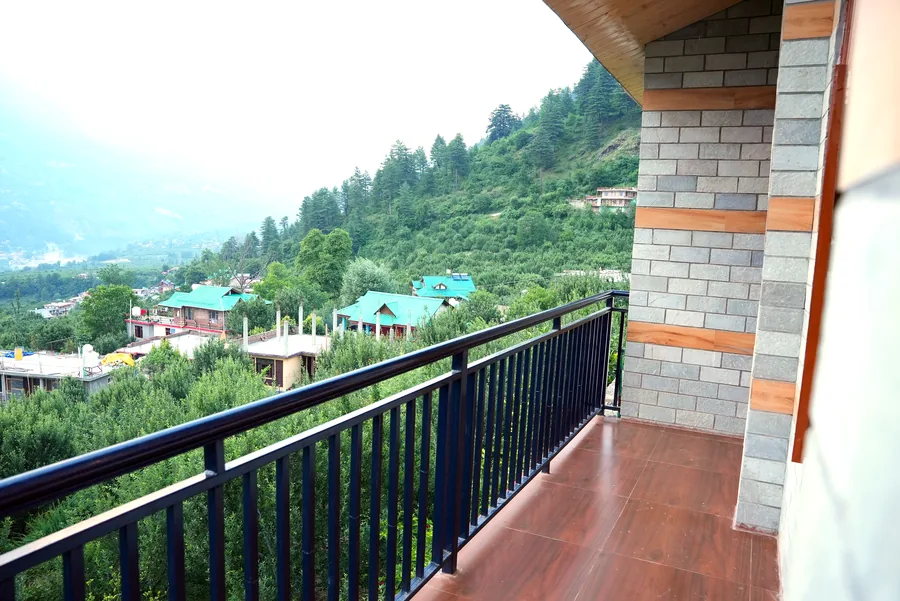
If you're looking for a base in Naggar before or after your trek, Ghar in the Hills is a cozy homestay right in the village. Book your stay to rest your legs with views of the valley.
Packing tips
Carry layers, a rain jacket, sturdy trekking shoes, a headlamp, water purification tablets and your ID for permits. Pack out all your waste, and keep to marked trails so the wildlife stays undisturbed.
The Great Himalayan National Park rewards slow travel. Choose your valley, hire a local guide and give yourself a few unhurried days in the forest. When you're ready to plan your Kullu Valley stay, reach out to Ghar in the Hills and we'll help you shape the trip.