Few places in the Kullu valley carry as much weight as the Raghunath Temple. Standing on a small hillock in the Sultanpur area of Kullu town, at about 1,230 metres, it is dedicated to Lord Rama in the form of Raghunath, whom the people of the valley regard as their chief deity. From Naggar it is an easy half-day outing down the Beas valley, and it pairs well with a stroll through Kullu's old bazaar.
A Short History of the Temple
The temple was established in 1660 CE by Raja Jagat Singh of Kullu. According to the traditional account, the king was troubled by guilt over a tragic incident involving a man named Durgadutt and later fell seriously ill. On the advice of his guru, a disciple named Damodar Das travelled to Ayodhya and brought back images of Rama, Sita and Hanuman. The king worshipped them, believed he was healed, and placed his entire kingdom under Raghunath's authority, ruling as the deity's representative.
The main image is a small eight-metal (ashtadhatu) figure, only a few inches tall, shown in royal form. Even now the royal family of Kullu oversees the temple's affairs.
What to Expect When You Visit
The architecture is modest rather than grand. The temple blends Pahari and pyramidal styles, with river stones from the Beas in the foundations and lower walls and deodar timber for beams, pillars and roofs. Look for carved geometric and Vaishnav motifs on the woodwork. The inner sanctum and a pillared hall sit on a raised platform, and some areas are restricted, so follow the signs and the guidance of the priests.
- Dress: Cover shoulders and knees; remove shoes before entering the temple area.
- Photography: Rules vary by area; ask before photographing inside.
- Timings: Opening hours are not fixed in the sources we checked, so ask locally or allow a morning or early evening visit.
- Entry: Temples in the valley are generally free to enter; small offerings are welcome.
The Dussehra Connection
The temple comes alive during Kullu Dussehra each October, when deities from across the valley are carried to the Dhalpur maidan to pay their respects to Raghunath. Hundreds of village gods, along with drummers, horn players and devotees, make the festival one of the most distinctive in India. If you are planning around it, book transport and stays well ahead, because the town fills quickly.
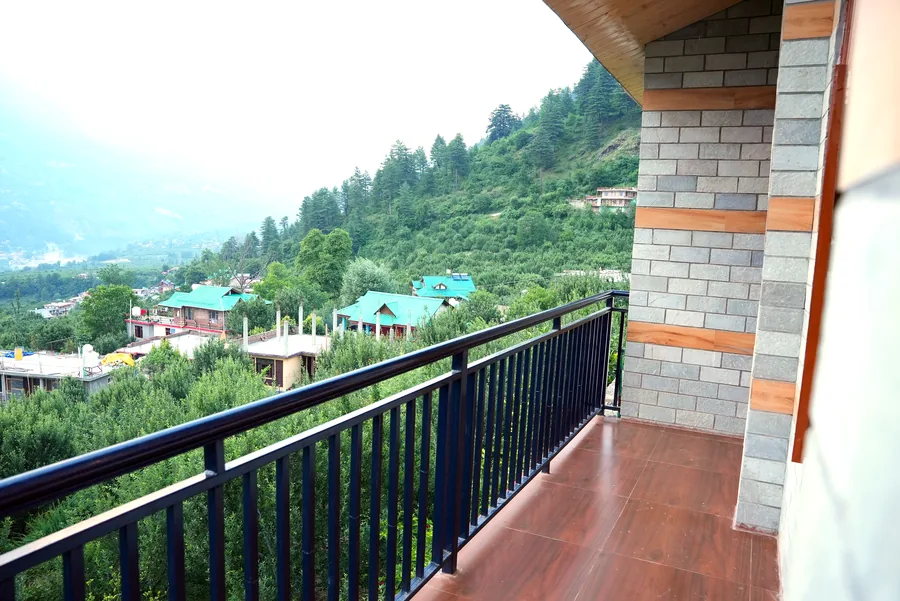
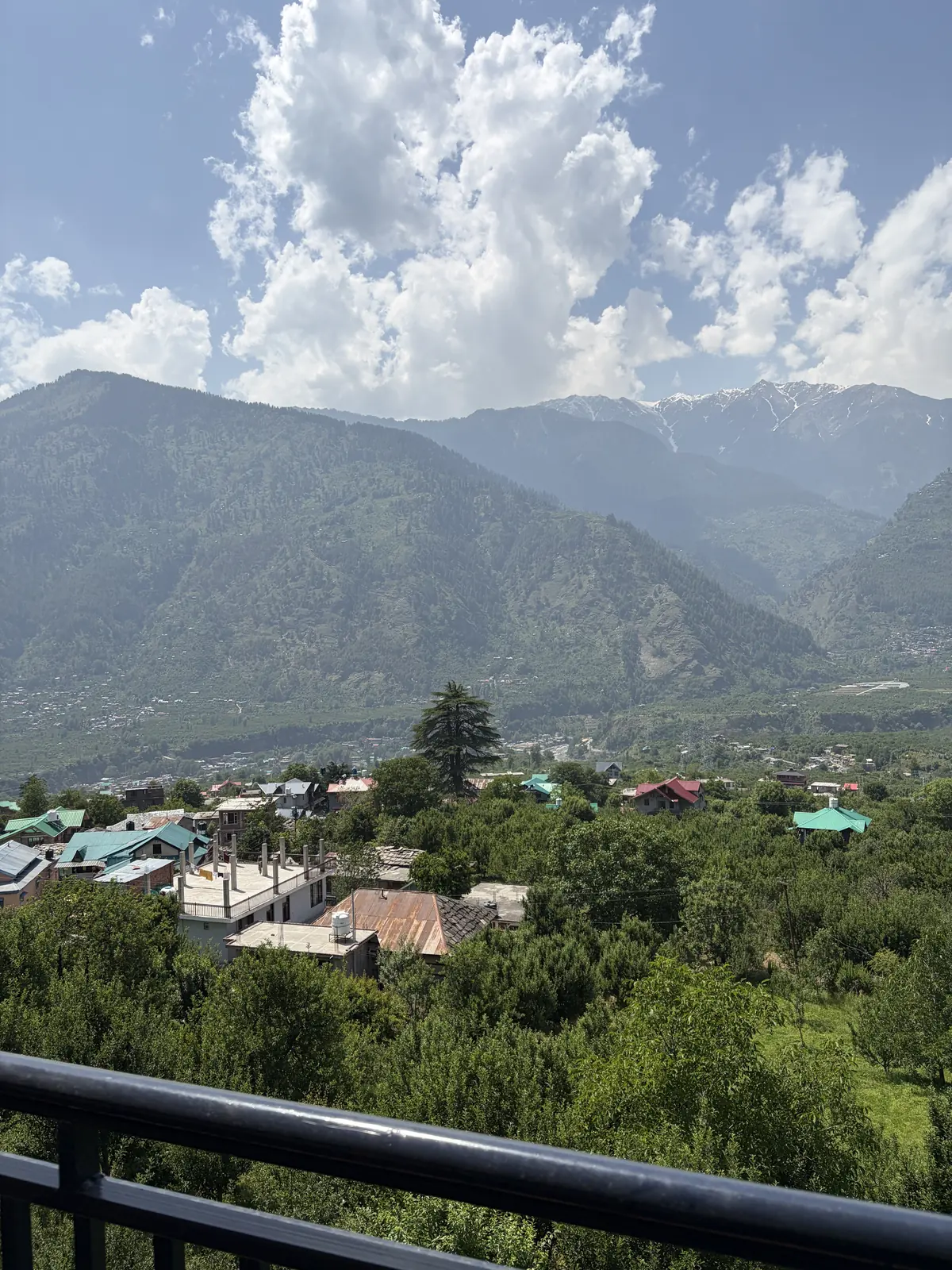
If you are looking for a base in Naggar, Ghar in the Hills is a cozy homestay right in the village. Book your stay to wake up to valley views and make Kullu a relaxed half-day trip.
Getting There from Naggar
Kullu town is roughly 20 km south of Naggar along the Beas valley road, usually about 45 minutes to an hour by taxi depending on traffic. Local buses ply the route from Naggar and Patlikuhl, and taxis can be hired for a return trip with waiting time. The temple lies close to the Dhalpur maidan, so combine the two if you are in town.
Best Time to Go
October for Dussehra is the most atmospheric but also the busiest. For a calmer visit, choose spring or early autumn on a weekday morning. Summer afternoons can be hot in Kullu town, and monsoon rains can slow the road.
The Raghunath Temple is a quiet window into how faith, kingship and landscape are woven together in the valley. Plan your visit, and when you need a peaceful place to return to, book your stay at Ghar in the Hills in Naggar.